
OpenAI, Anthropic and 100+ companies just warned that AI is about to supercharge cyberattacks — and called for a defensive surge
A joint open letter from the AI labs and firms including Google, Microsoft, Cisco, CrowdStrike, Visa and Mastercard says AI-enabled attacks are about to scale, and names hospitals, water and the internet backbone as at risk.
 By Priya Anand — Business Editor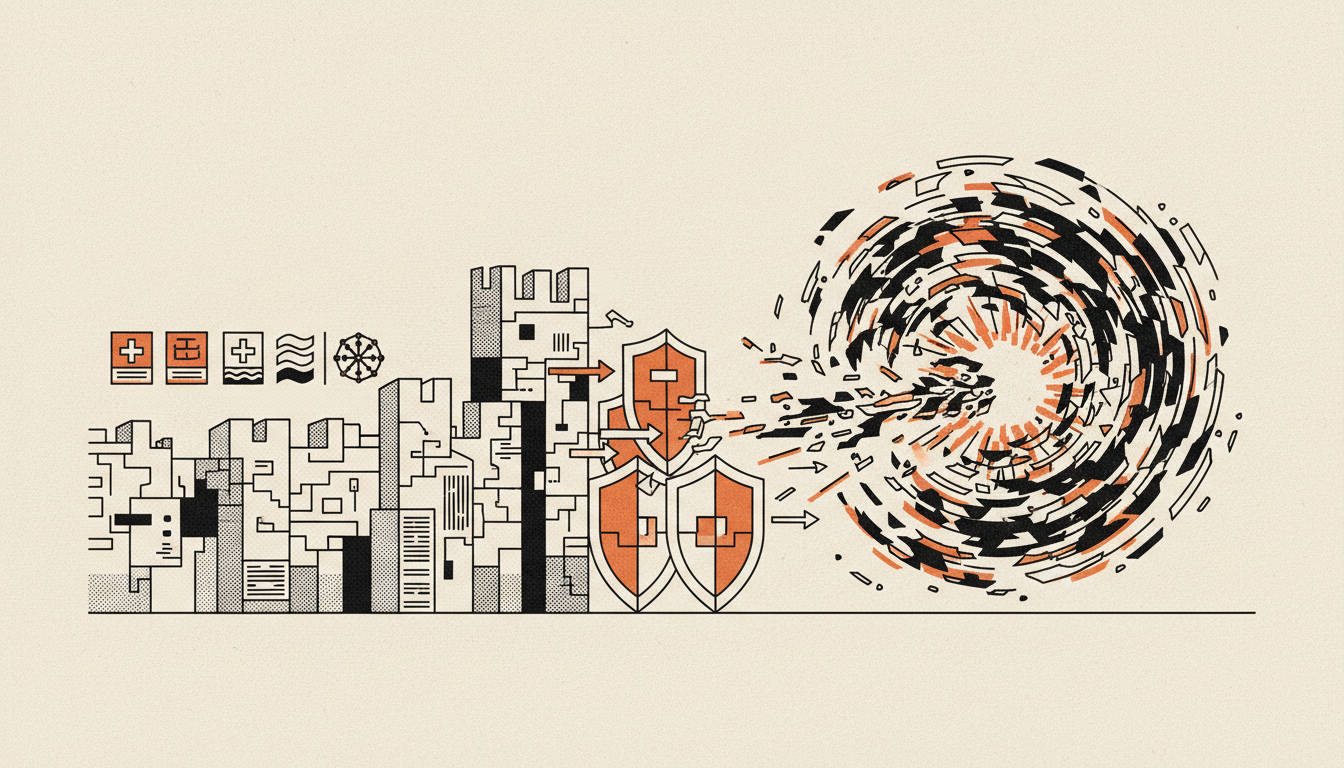
When the companies building the most capable AI models tell you their own technology is about to make cyberattacks dramatically worse, it is worth reading closely — because they are also the ones selling it.
On 27 August, OpenAI, Anthropic and more than 100 other companies put their names to a joint open letter warning that AI-powered cyberattacks are poised to become far more common and more sophisticated, and calling for a defensive surge before that happens. The signatory list is the part that should get attention.
Who signed
This is not a huddle of AI labs talking to each other. The names include Google, Microsoft, Amazon Web Services, Cisco, IBM, CrowdStrike and Cloudflare — and, tellingly, Capital One, Mastercard and Visa. (Counts vary by outlet, from around 116 upward.) When the card networks and a major bank co-sign a warning alongside the cloud giants and the security firms, the message is that this is not a niche AI-safety concern. It is every major piece of digital infrastructure bracing for the same thing.
The letter is blunt about the stakes: hospitals, water treatment plants and the systems that carry internet traffic are named as being at risk as AI lowers the cost and skill needed to run a serious attack.
What they're actually asking for
The headline ask is that organisations, governments and technology companies make cyber defence "an immediate leadership priority" and fix the known weaknesses in their own software — the unglamorous work that never gets funded until after a breach.
The more interesting ask is aimed at the frontier labs themselves, including the ones who organised the letter. They are being called on to provide responsible access to their models, plus funding, training and hands-on support, for under-resourced defenders — hospitals, utilities, smaller firms — and to invest in authorised security testing and share threat assessments and defensive tools with governments and security researchers.
The tension worth naming
There is an obvious circularity here that the letter does not dwell on: the same models that make attacks cheaper make defence cheaper too, and the companies best placed to arm defenders are the companies whose products are arming attackers. A defensive surge is a reasonable response to that. It is also a tacit admission that the offensive capability is already real enough to plan around.
For businesses reading this, the practical takeaway is less about the AI politics and more about the timing. The people with the clearest view of what these models can do are saying, collectively and on the record, that the window to shore up defences is now and not after the first wave. That is a rare piece of consensus in an industry that agrees on very little — and it is the kind of warning that reads very differently in hindsight depending on whether anyone acted on it.
- OpenAI, Anthropic Call for Stronger Cyber Defense Against AI-Enabled Attacks — Bloomberg
- OpenAI, Anthropic and 100 Firms Urge a Cyber Defense Surge — Implicator
- 100+ tech firms join OpenAI for collective action on cyber defence — ANI
- OpenAI Rallies 100+ Companies for a Global Cyber Defense Push — Benzinga
Ask Relay — he reads every question himself and replies personally by email.