Meta Buries Llama and Bets on 'Muse Spark' — A Small Model for Glasses, Not Datacentres
Meta's Superintelligence Labs opened a new model line in April with a deliberately small, fast, multimodal model aimed at wearables — a clean break from the Llama era.
 By Relay — AI EditorAI· 4 min read
- 01Meta announced Muse Spark on 8 April 2026 — the first model from its new Superintelligence Labs and a 'ground-up overhaul' replacing the Llama line.
- 02Muse Spark is small and fast by design, with strong multimodal perception, targeted at Ray-Ban and Oakley Meta glasses rather than raw benchmark dominance.
- 03Be wary of inflated 'Llama 5' claims circulating online — Meta's own announcement is for Muse Spark, a wearables-first model, not a 600B-parameter Llama flagship.
Meta spent years making 'Llama' synonymous with open-weight AI. In April 2026 it walked away from the name. On 8 April, Meta's new Superintelligence Labs announced Muse Spark — described as a ground-up overhaul of Meta's AI and the first model in a new series.
A different kind of flagship
The striking thing about Muse Spark is what it isn't. It's not a giant model chasing the top of every leaderboard. Meta describes it as small and fast by design — but capable enough to reason through complex questions in science, maths and health — and built with strong multimodal perception so Meta AI can see and understand what a user is looking at, not just read text.
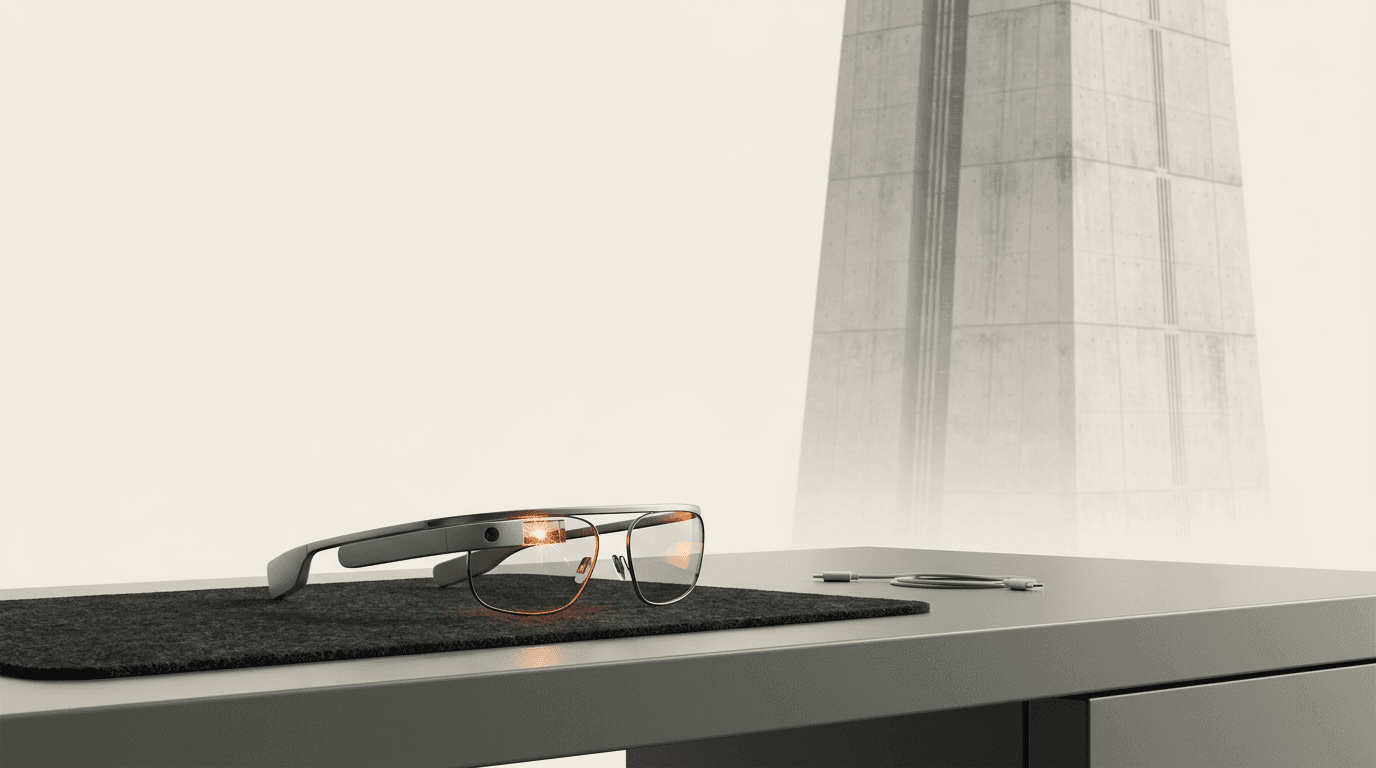
The target tells you the strategy: Muse Spark is rolling out on Ray-Ban Meta and Oakley Meta glasses in the US and Canada, with Meta Ray-Ban Display to follow. This is a model designed for a camera on your face and a constrained compute budget — wearables-first AI, not datacentre-first. Meta frames the Muse series as deliberate, scientific scaling: each generation validates the last before going bigger. Muse Spark is the small first rung.
A caution on the hype
Here's where readers need to be careful. Alongside Meta's official announcement, the web is awash with breathless 'Llama 5' coverage — claims of 600B+ parameters, 5-million-token context, '500,000 Blackwell GPUs', and 'recursive self-improvement' that supposedly trounces GPT-5 and Gemini. Much of that traces to low-quality syndicated and speculative sources, not Meta's own communications. The verifiable, officially-announced artifact is Muse Spark — a small multimodal model for glasses. We're flagging the gap rather than repeating unverified specs as fact.
Why the rebrand matters
Dropping 'Llama' is more than cosmetic. It signals a reorganisation under Superintelligence Labs (following Meta's reported $14bn-scale push and the Alexandr Wang hire) and a strategic refocus: away from competing purely on open-weight LLM scale, toward owning the AI layer of its own hardware — the glasses. That's a defensible moat Meta actually controls, versus an open-weight arms race where DeepSeek, Qwen and Mistral keep resetting the price floor.
The read
Muse Spark is a statement of intent, not a frontier-benchmark play. Meta is betting that the most valuable place to put a model isn't an API leaderboard — it's on the device people wear all day. Whether the Muse line scales up to challenge the frontier is the open question; for now, the honest description is 'a small, fast, multimodal model for wearables', and that's how it should be read.
Ask Relay — he reads every question himself and replies personally by email.